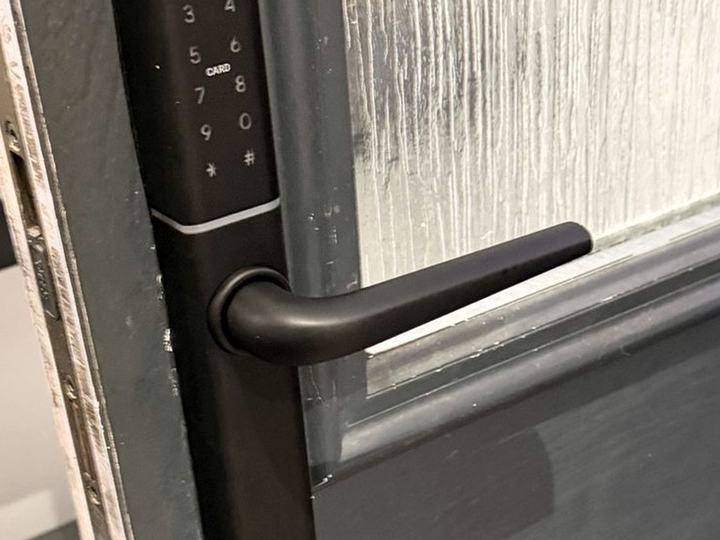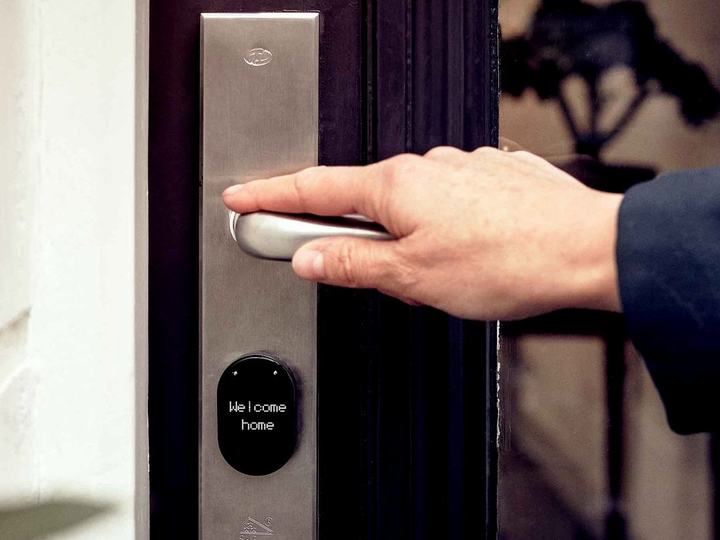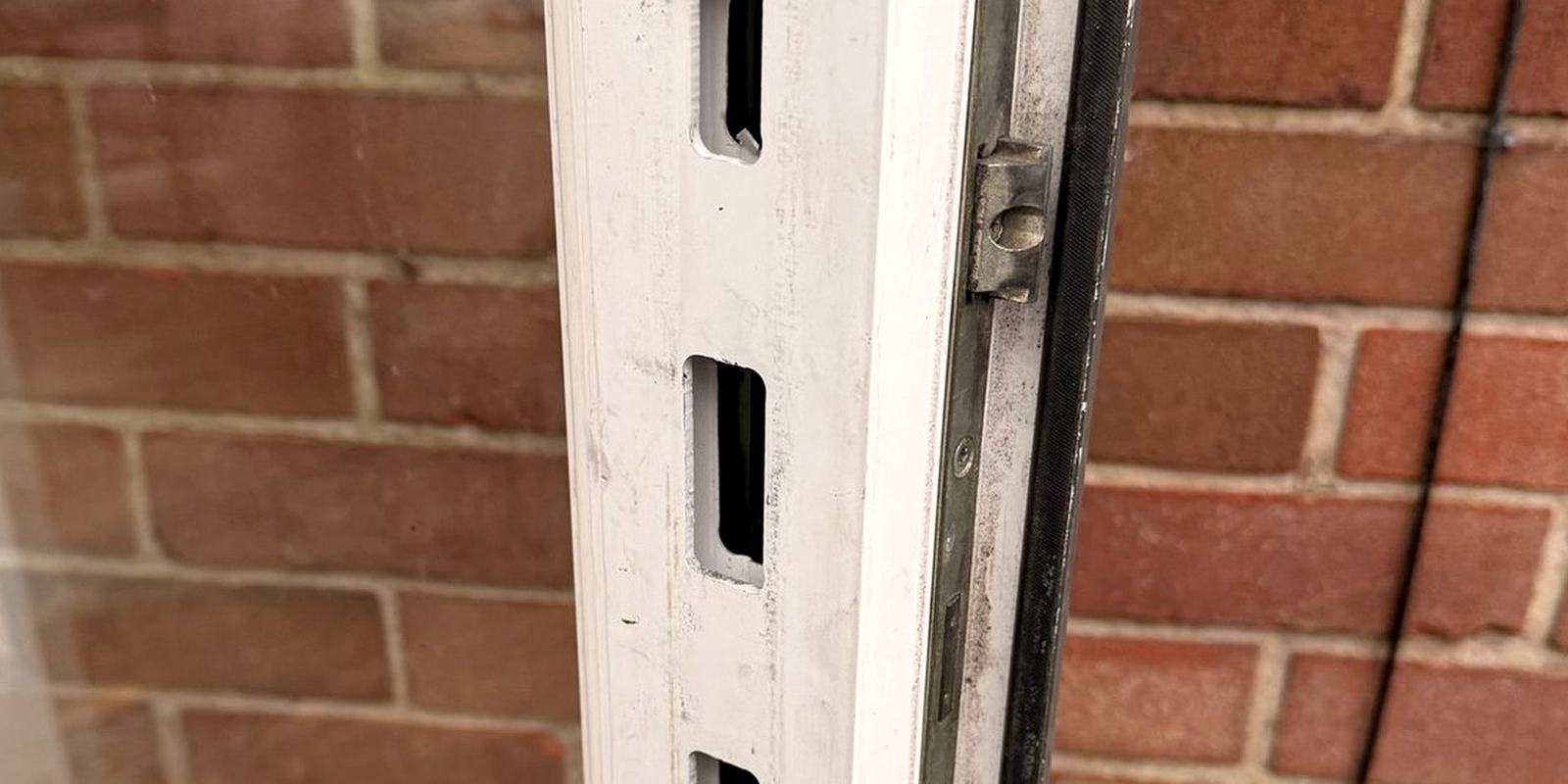
We fitted smart locks to two doors in the same week this October, a uPVC door and a composite one, and both had a fault in the lock inside the door. Neither fault was one the smart lock could cure, and both customers chose to go ahead anyway, knowing how the door would behave afterwards. They were reasonable choices. They are also the kind of thing worth understanding before the installer arrives rather than after.
What a multipoint lock actually is
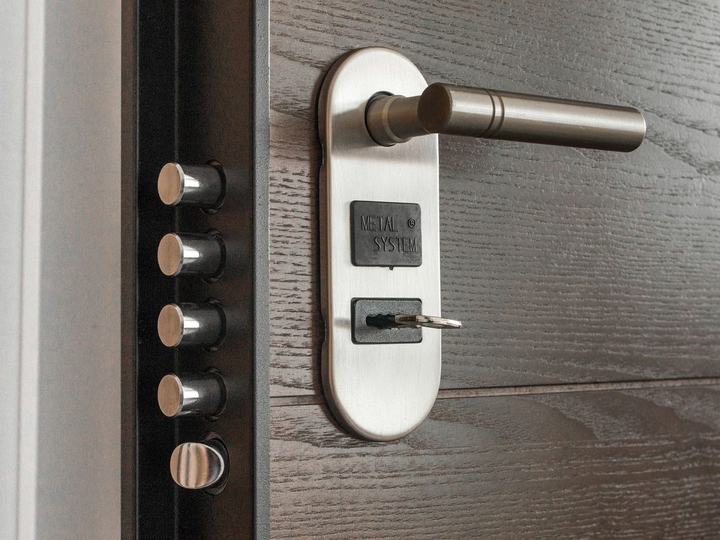
Almost every uPVC and composite door in the UK locks in several places at once. A strip of steel runs down the edge of the door, driven by a gearbox behind the handle. Lift the handle and hooks, rollers or bolts along that strip move into keeps screwed to the frame; turn the key or thumbturn and they are held there. Down the middle sits a latch — the sprung, angled tongue that holds the door shut when you simply push it closed — and usually a deadbolt.
Most smart locks sold for these doors replace the handles, and sometimes the cylinder, and leave all of that in place. You still lift the handle to lock, as you always have. That is why they suit these doors so well, and it is also why the condition of the mechanism matters: the smart lock is now in charge of something it did not build.
Door one: the lift-up locking did not work
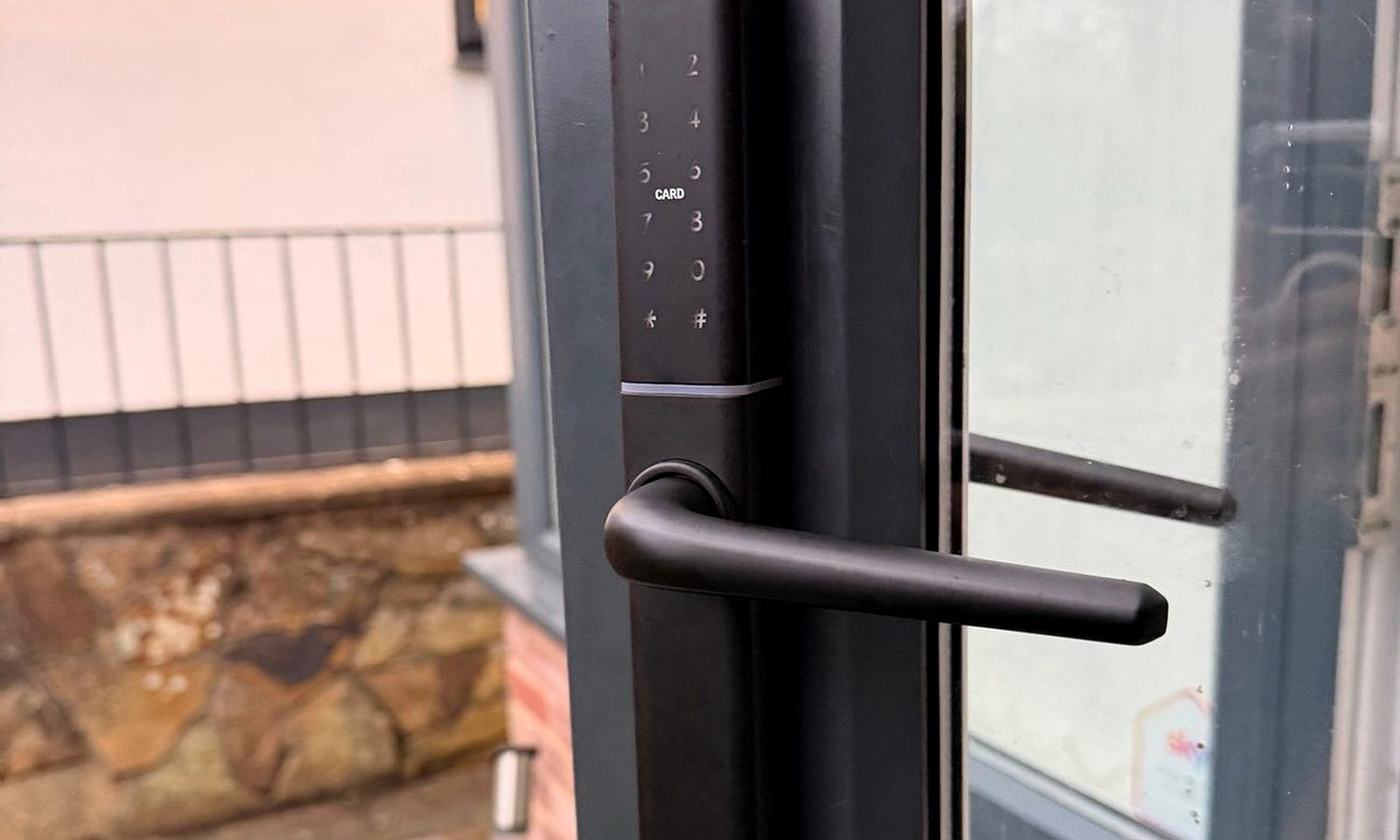
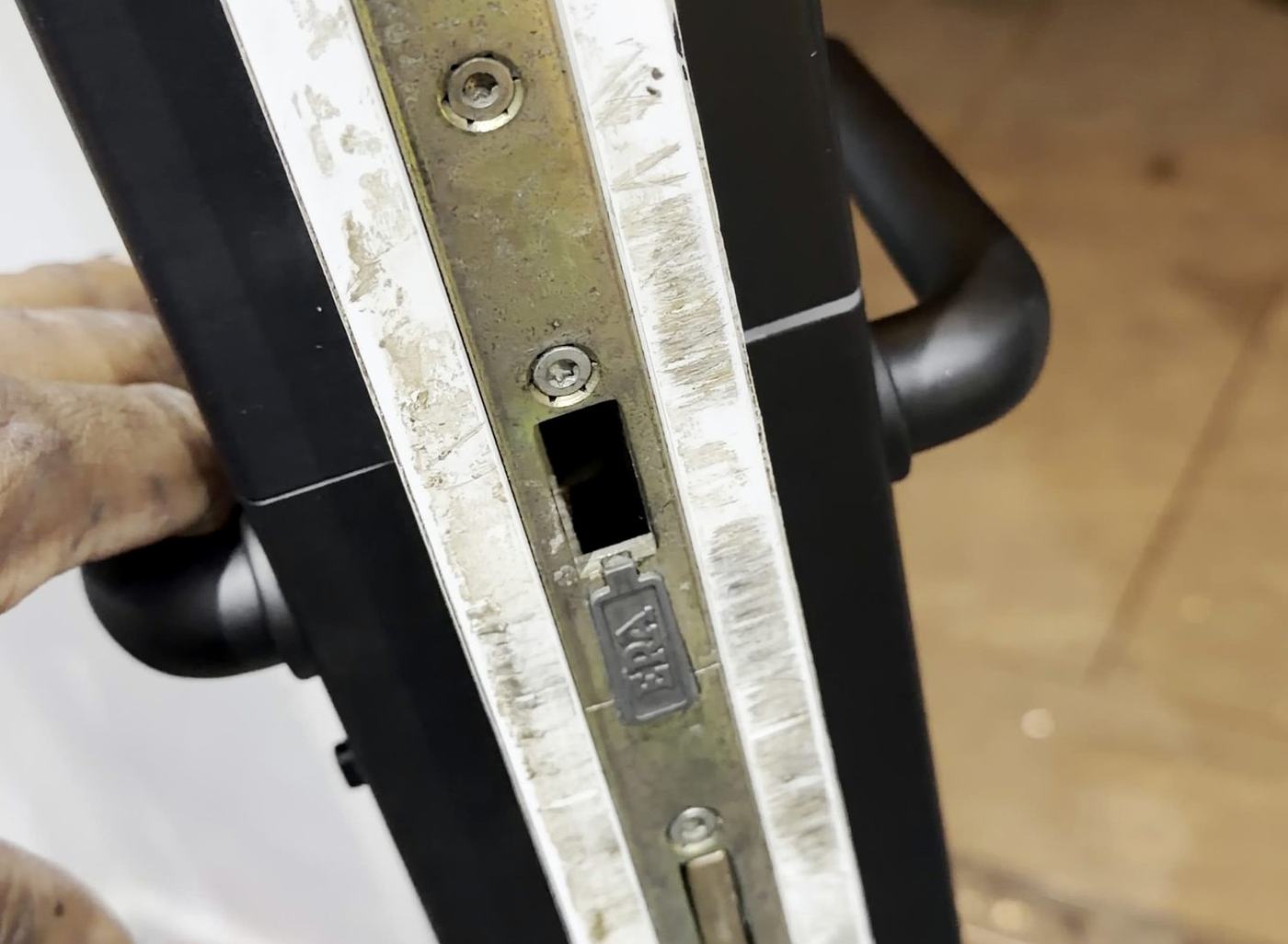
The first door, a uPVC one, had a key jammed in its cylinder and a mechanism that had been fought with for some time. Once the cylinder was out, the lift-up locking still did not work: lifting the handle no longer threw the hooks into the frame. The latch was fine.
The customer asked for the smart lock to be fitted as the door was, so the door is now held shut by its latch and nothing else. Day to day it behaves normally: close it and it stays closed, and the outside opens with a code, a card or the app.
What it does not have is the strength of a locked multipoint. A latch is designed to keep a door from swinging open, not to resist someone leaning on it — the hooks and bolts are what do that, and they are not engaging. Until the mechanism is repaired, that door is less secure than it looks, and the smart lock does not change that.
Door two: the latch was missing
The second door was the opposite case. Its lift-up locking worked, but the latch had gone — it looks to have been forced out at some point when the door jammed and would not open. The opening it should sit in is simply empty.
The customer agreed to have the smart lock fitted without it. Because there is no latch, the door does not hold itself shut: pull it to and it will drift open again. So the habit has to be lift-to-lock, every time — coming in and going out. Locked, it is as strong as any working multipoint, because the hooks and bolts are all there.
On a home that is a habit you learn in a day. On a rental it is worth writing into the guest instructions, because a visitor who pulls the door closed and walks off will leave it unlocked and, very likely, ajar.
A smart lock is in charge of a mechanism it did not build. Whatever that mechanism does wrong, it now does wrong electronically.
Repair first, or fit and live with it?
Both are legitimate. A worn gearbox or a missing latch is normally a repair to the lock inside the door rather than a new door: the mechanism comes out of the edge and a matching one goes in. The catch is matching — these mechanisms come in many patterns and sizes, and the replacement has to fit the existing holes in the door. Sometimes that is a part a locksmith carries; sometimes it has to be ordered.
If you fit the smart lock now and repair later, nothing is wasted — the smart lock simply goes back on over the new mechanism. What matters is that the compromise is a decision rather than a discovery. If your installer finds a fault and fits anyway, it is reasonable to ask them to write down what they found and how the door now behaves.
Five checks before you buy anything
Push the door shut without locking it. Does it stay shut on the latch? If it drifts open, the latch is broken or missing.
Lift the handle with the door closed. It should rise smoothly and stay up. If it is stiff, the door has probably dropped and the hooks are fighting the keeps. If it lifts with no resistance at all, the gearbox may have failed.
Lift it with the door open and watch the edge. You should see the hooks or bolts move out along the strip. If they do not, the lift-up locking is not working.
Turn the key once the handle is up. It should turn without forcing. A key you have to fight is a cylinder, or a mechanism, on its way out.
Look at the frame. Fresh rub marks on the keeps, or a gap that is wider at the top than the bottom, mean the door has dropped. That is usually an adjustment, and it is worth doing before anything else.
Where a smart lock is the wrong answer
If the mechanism has failed badly enough that the door cannot be locked at all, fit nothing until it is repaired. A keypad on a door that will not lock is a doorbell. And if the door is due to be replaced soon, wait: a smart lock moves to a new door only if the new door takes the same kind of lock, which you will not know until you have chosen it.
For the locks themselves, our Yale Conexis L1 and L2 comparison covers a smart lock built for exactly these doors, and the battery guide covers the other question everyone asks.