A smart lock does not go from working to dead. It spends weeks telling you it is getting low, and the failure people picture — standing in the rain at midnight, locked out — nearly always means those warnings went to an app nobody had opened since the day it was fitted.
How the warnings actually arrive
Typically three ways at once: a push notification, an audible chirp when you unlock, and a colour change or flash on the keypad. On a home you live in, you will notice. On a rental where guests come and go, you might not — the guest hears the beep and thinks nothing of it, and the notification lands on an account that is only checked when there is a problem.
That is the real design decision for a let: someone has to own the battery alerts. If nobody does, the warnings are decorative.
The four ways back in
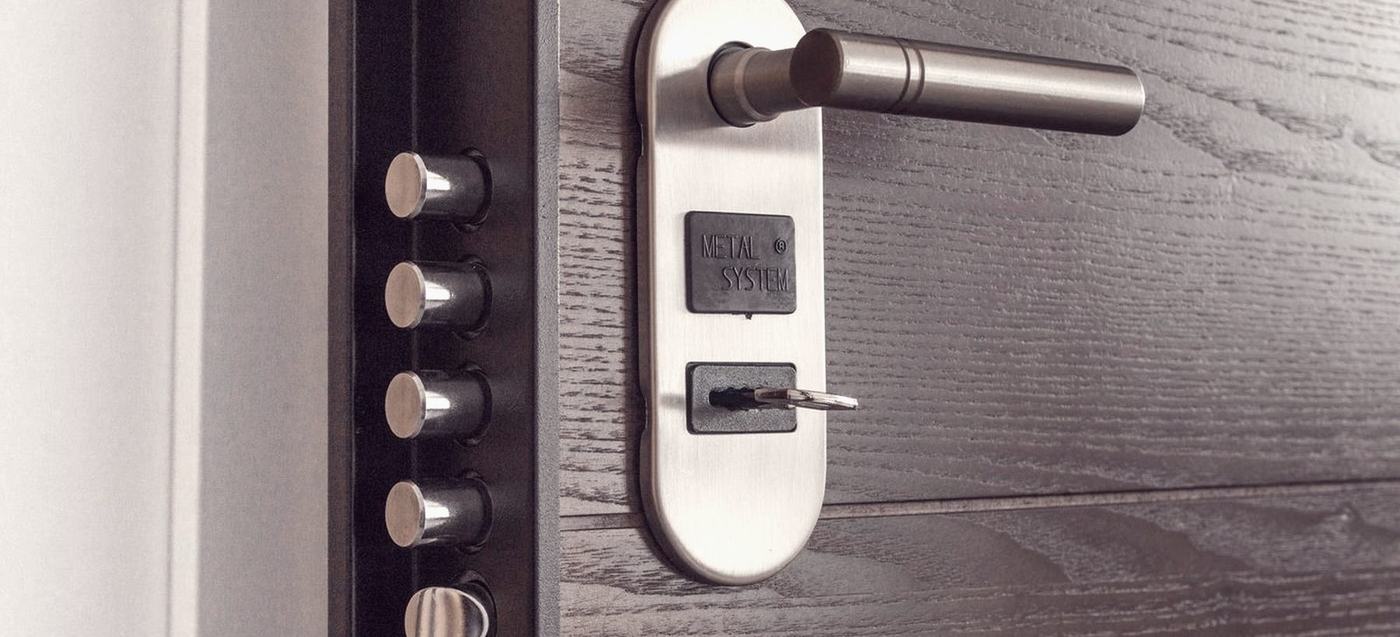
A mechanical key override. Many smart locks keep a conventional cylinder, usually behind a cover on the outside. It is the reason to keep a key somewhere sensible even after you stop carrying one daily. If a lock has no override, understand that before you buy rather than after.
Emergency external power. Many keypads have contacts or a USB port on the underside so you can hold a power bank against them, wake the lock and enter your code. It works, it is undignified, and it gets you inside.
The other door. Obvious, and worth saying: most homes have a second entrance, and it is rarely wise to put smart locks on every door at once when you are new to them.
Inside access. Nearly all of these locks open from the inside by handle or thumbturn regardless of battery state, so a flat battery never traps anyone in. That matters more than being locked out, and it is worth confirming for any lock you are considering.
The failure mode worth designing against is not a dead battery. It is nobody being responsible for the warning.
What actually drains them
Motor use is the big one — every lock and unlock turns a bolt, so a busy front door on a short let works far harder than a home's back door. Cold is the other: alkaline cells lose capacity in winter, so an exposed north-facing door will want changing sooner than the same lock indoors. Wi-Fi models that hold a permanent connection drain faster than Bluetooth ones that wake on demand, which is part of why gateway-based systems are common on rentals.
What we would do
Change them on a schedule rather than on a warning, the way you would a smoke alarm — every six months on a busy let, annually on a home. Use good alkalines and not the cheapest multipack. Keep an override key accessible to someone who is not you. And if it is a property you do not live in, make the low-battery alert go to a person whose job it is to act on it.