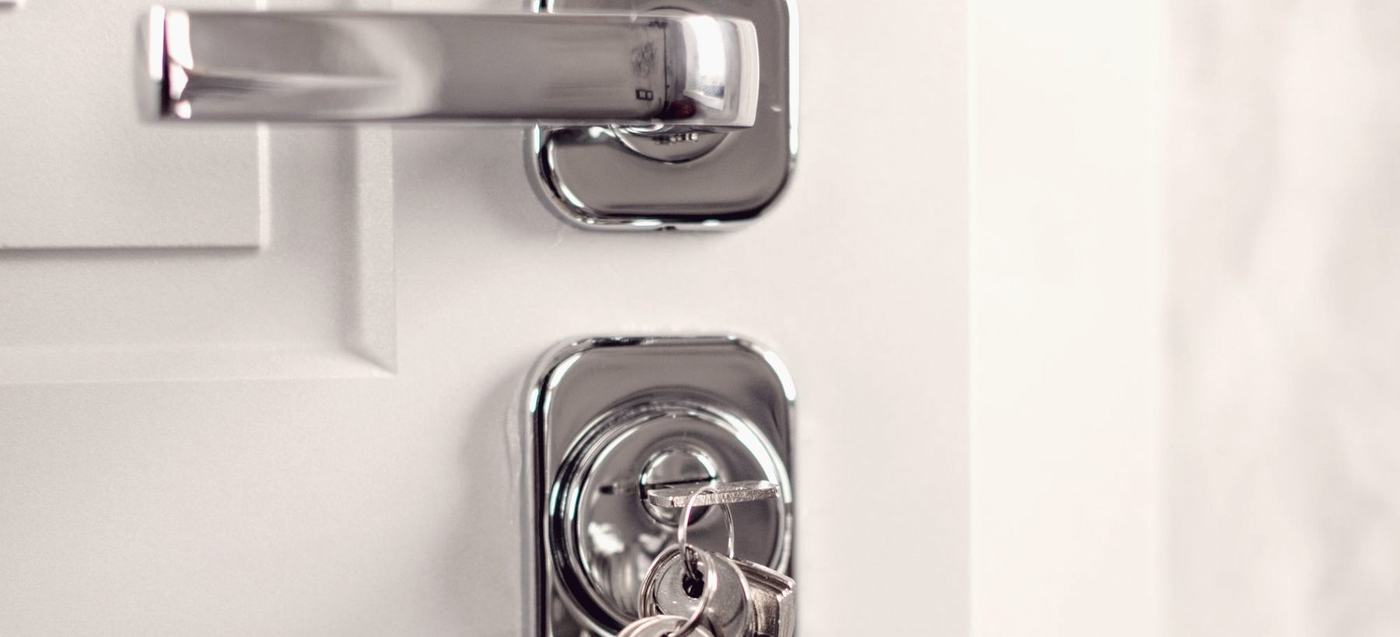
Nuki is Austrian, and it has stayed unusually disciplined about one idea: the smart lock goes on the inside of the door and nothing else changes. It clamps over the thumbturn, grips your existing key, and turns it for you. The outside face of your door is untouched.
That sounds like a modest design decision. It is actually the most consequential one in this category.
What the architecture wins you
Your cylinder keeps whatever rating it has. If there is a TS007 3-star or Sold Secure Diamond cylinder in that door, it stays there, still certified, still doing the job it was tested for. Nothing about the physical security of the door changes, because none of the physical security was touched.
Your keys still work. Everybody who has a key keeps having one. No re-issuing, no spare cut for the neighbour becoming useless, and no conversation with an elderly relative about how to use an app.
Nobody can see it. This one is underrated. All the electronics are on the inside face of the door, so from the street the door looks exactly as it did — no keypad, no reader, no unfamiliar hardware to signal that anything about this house is worth a second look.
You can undo it. A retrofit comes off in minutes and leaves the door as it was. That matters for renters, and it matters for anyone who is not certain they will get on with it.
The cylinder detail that decides everything
Here is the part that gets missed, and it is the reason a Nuki install can go wrong on paper before anybody touches the door.
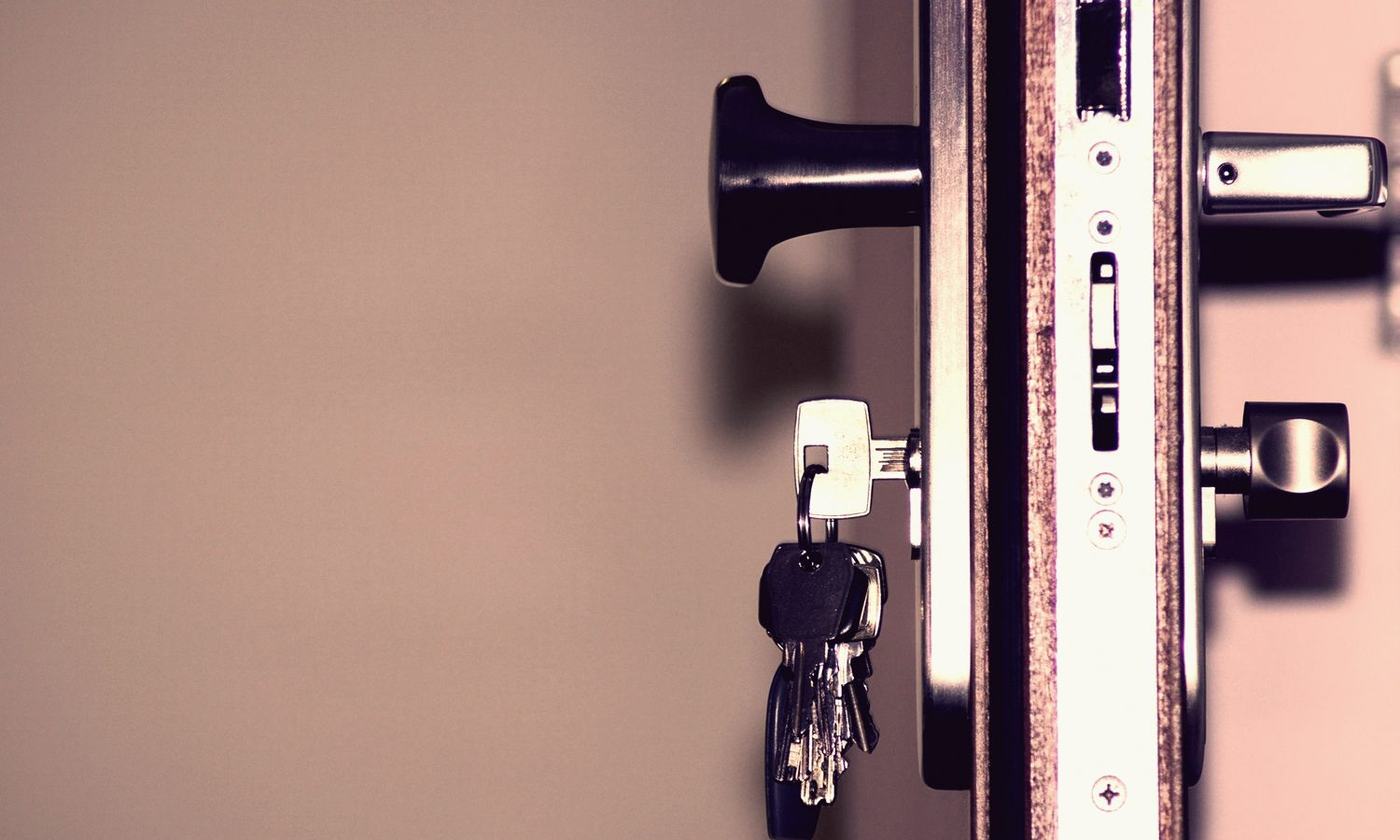
Because the Nuki holds your key in the inside of the cylinder, that key is sitting in the lock permanently. On an ordinary cylinder, a key left in one side stops a key on the other side from turning. So unless the cylinder has what is variously called an emergency function, a panic function, or a clutch, somebody outside with a perfectly good key cannot get in.
This is not exotic and it is not a fault. Plenty of cylinders from the major manufacturers have it, and where yours does not, the fix is to change the cylinder — which is a small job, and an opportunity to put a rated one in while you are there. But it has to be established before anything is ordered, and it is the single most common reason a self-fitted Nuki ends up back in its box.
Ask what your cylinder is, before you ask which smart lock. With Nuki that order is not optional.
The UK version of the answer
Brisant, a British lock maker, builds the Ultion Nuki: their own 3-star Ultion cylinder and handle paired with Nuki's drive, sold as one thing. It carries TS007 3-star and Sold Secure Diamond, is rated through a million-plus durability cycles, keeps a manual thumbturn and a mechanical key override, and comes with a security guarantee from Brisant if the lock is broken. Check the current figure and terms before relying on it — published amounts differ by model and have changed over time.
What that product really does is remove the cylinder question entirely, which is why it comes up so often in a UK context. You are not hoping your existing cylinder cooperates; you are being sold one that does, already rated, already matched.
For anyone who wants to build on it
Nuki is unusually open for a lock company. There is a documented developer programme, a local HTTP API on the bridge, and the current generation supports Matter over Thread — the fourth-generation lock was the first on the market to do it natively — which means it will talk to Apple Home, Google Home, SmartThings or Alexa without a proprietary hub in the middle.
If you care about your lock still working in five years when an app has been rewritten twice, an open standard and a local API are worth more than any feature on a box.
Where Nuki is the wrong answer
It is loud. It is a motor turning a physical key, and it sounds like one. Reviewers reach for comparisons like an old dot-matrix printer and that is fair. Some people find it reassuring — you hear the door lock. In a flat, at one in the morning, with a bedroom off the hall, it is a consideration.
It is bulky. There is a noticeable unit on the inside of the door. It is not ugly, but it is there, and on a door that swings back hard against a wall it can meet the wall.
The app has been slow. A recurring complaint. Improving, but worth trying before you commit.
It is not cheap, and once you add the cylinder it may need, the gap between it and a full replacement narrows.
It cannot help a door that is failing. A retrofit inherits whatever is already there. If the cylinder is unrated, the door has dropped, or the mechanism is stiff, Nuki turns a bad lock more conveniently. The fix is the door, first.
At a glance
| Who makes it | Nuki Home Solutions, Austria |
|---|---|
| Architecture | Retrofit over the inside thumbturn; outside unchanged |
| Your cylinder | Stays, with whatever rating it already has |
| Hard requirement | A cylinder with an emergency function |
| UK bundle | Ultion Nuki — TS007 3-star and Sold Secure Diamond, matched |
| Integration | Matter over Thread, plus a local HTTP API on the bridge |
| Live with it | Louder and bulkier than most people expect |
Verdict
Best forAnyone with a good cylinder already in the door, renters who need it reversible, and households where some people will always want a key
What works
- Keeps your certified cylinder, your keys and the outside of your door exactly as they are
- Invisible from the street — no hardware advertising that anything has changed
- Reversible in minutes, which matters for rented homes
- Open where it counts: Matter over Thread and a local API, not a closed ecosystem
What doesn't
- Needs a cylinder with an emergency function, or a key will not turn from outside
- Genuinely noisy — it is turning a real key with a real motor
- A visible unit on the inside face of the door
- Inherits every existing problem: it cannot improve a door that is already failing
Where this assessment comes from
We fit these, and the cylinder point above is the kind of thing you learn by turning up to a door rather than by reading a spec sheet. Certification and integration details are from the published standards and the manufacturers' own documentation; the noise and bulk are our experience and also the settled view of independent reviewers. We have not bench-tested Nuki against its competitors and we do not claim to have. See editorial standards.
How we assess Our views come from installing and configuring these locks on real doors, and from living with the apps and the admin side afterwards. We do not run laboratory security or durability tests, and we say so rather than implying a rigour we don't have. Read more on our editorial standards page.