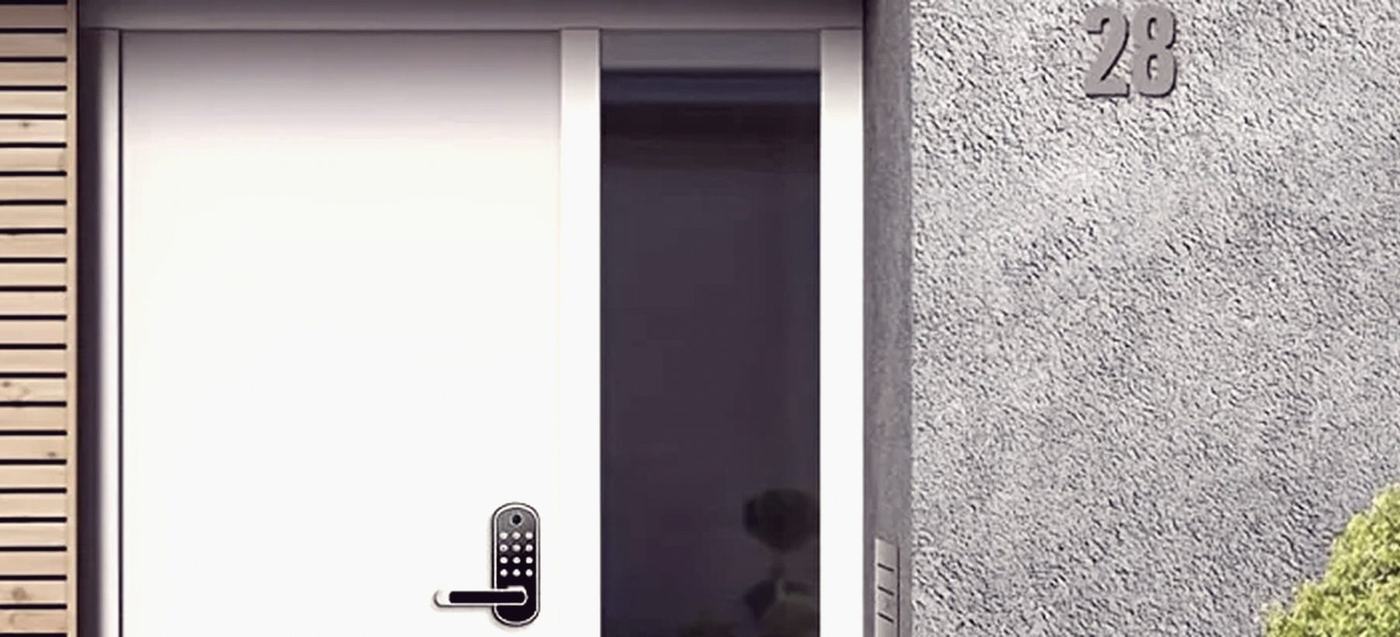
TTLock is a platform: an app, an access-control model and an API, licensed to a large number of hardware manufacturers. Buy two TTLock locks and you may be buying from two unrelated factories with different metal, different motors and different finishes, running the same software.
Once that is clear, most of the contradictory things written about it make sense. The software behaves consistently. The hardware does not, because it isn't one product.
What it does well
The access model is genuinely good for lettings. Codes can be permanent, timed, one-time or recurring; you can give a cleaner a code that only works on Fridays and a guest one that dies at checkout. Multi-door properties can be structured so a guest holds access to the front door and their own room and nothing else.
The open API is the other real strength, and the reason it turns up in bespoke systems: booking platforms can issue and expire codes automatically rather than someone doing it by hand at 11pm.
The software is consistent. The hardware isn't, because it isn't one product — it's dozens.
Where it is the wrong answer
If app polish matters to you, this is not the platform to choose. The interface is functional and dense, translated unevenly, and organised around the way an access-control system thinks rather than the way a household does. People managing property tolerate it because it does what they need; people who wanted a tidy consumer gadget often do not.
Build quality is the other caution, and it is not a criticism of the platform so much as a consequence of it. Judge the specific lock, not the badge on the app.
The gateway, which people underestimate
Remote unlocking, remote code issuing and live status all need a gateway bridging the lock's Bluetooth to your network. Its useful range is roughly 10–15 metres and walls and floors reduce that considerably, so a property with several locks over multiple storeys needs the gateway positions worked out deliberately rather than plugged in wherever there is a spare socket.
This is the single most common cause of a disappointing installation: the locks work, the remote features are intermittent, and the reason is fifteen metres and a stairwell.
Verdict
A strong choice where access needs to be issued and revoked at volume — short lets, HMOs, multi-room properties, anything with turnover — and where somebody is willing to work with software written for operators rather than consumers. A poor choice for someone who wants a single beautiful front door lock and never to think about it again.
Best forShort lets, HMOs and multi-door properties with regular turnover
What works
- Flexible, genuinely useful code scheduling
- Open API, so booking systems can drive it
- Sensible multi-door access structures
- Wide hardware choice at a range of prices
What doesn't
- App is functional rather than polished
- Build quality varies by manufacturer, not by badge
- Gateway range is short and needs planning
- Documentation assumes you already understand it
How we assess Our views come from installing and configuring these locks on real doors, and from living with the apps and the admin side afterwards. We do not run laboratory security or durability tests, and we say so rather than implying a rigour we don't have. Read more on our editorial standards page.